Insurance Credentialing for Doulas: Complete 2026 Guide

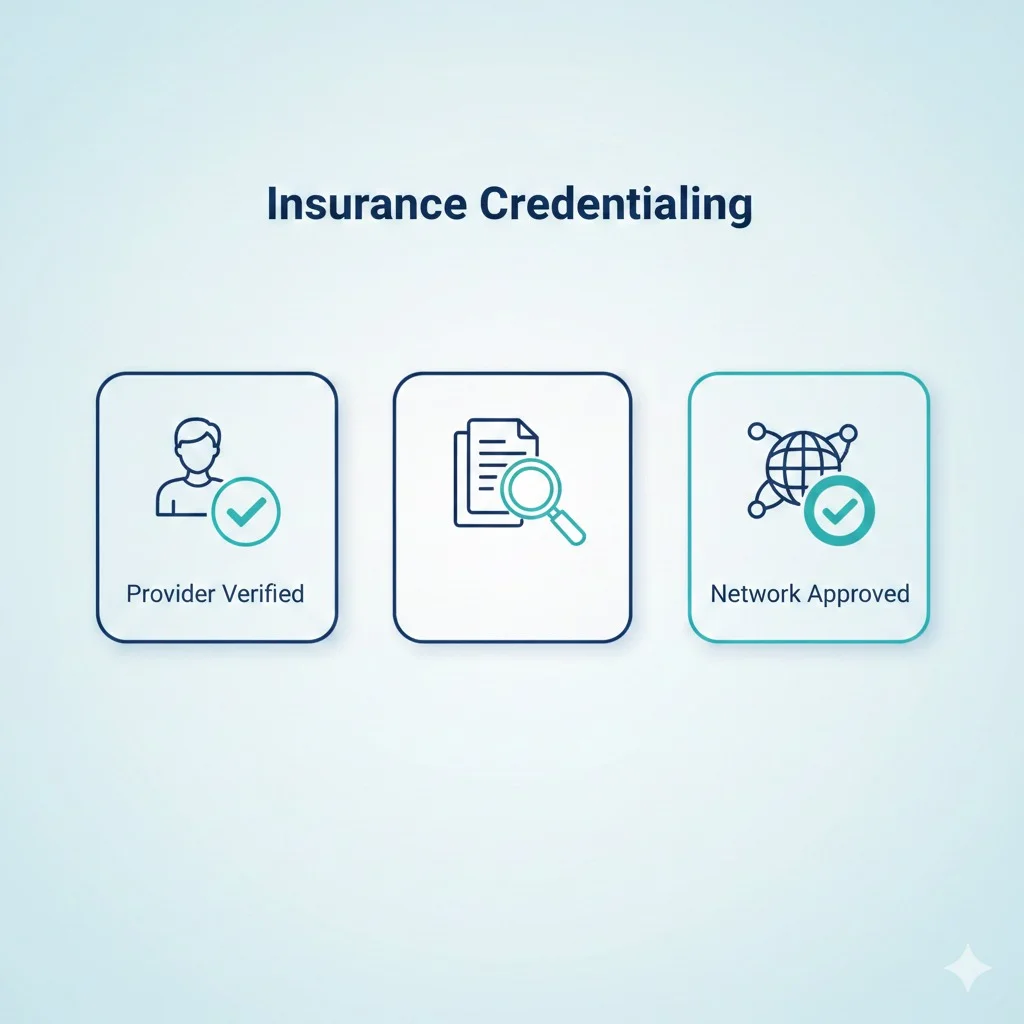
Insurance Credentialing If you are a doula in California, credentialing is not just paperwork. It is the difference between being able to accept Medi-Cal and commercial insurance clients versus having to turn families away or rely only on cash pay. Done right, credentialing turns your calendar into predictable revenue and makes your services accessible to more families. This guide walks you through doula insurance credentialing in California, including Medi-Cal enrollment, managed care contracting, common requirements, timelines, costs, and the real world issues that delay approvals.

Quick Answer

Doula insurance credentialing in California usually starts with Medi-Cal enrollment through DHCS PAVE, then continues with contracting and credentialing with Medi-Cal managed care plans and any commercial plans that accept doula services. Expect 60 to 120 days for a clean Medi-Cal enrollment in many cases, and another 30 to 90 days per managed care plan once you begin contracting. Your biggest delays typically come from missing documents, business registration items, and confusion between enrollment, credentialing, and contracting. DHCS provides a doula enrollment checklist and a dedicated doula enrollment FAQ, and the Medi-Cal doula manual outlines covered services and billing rules.

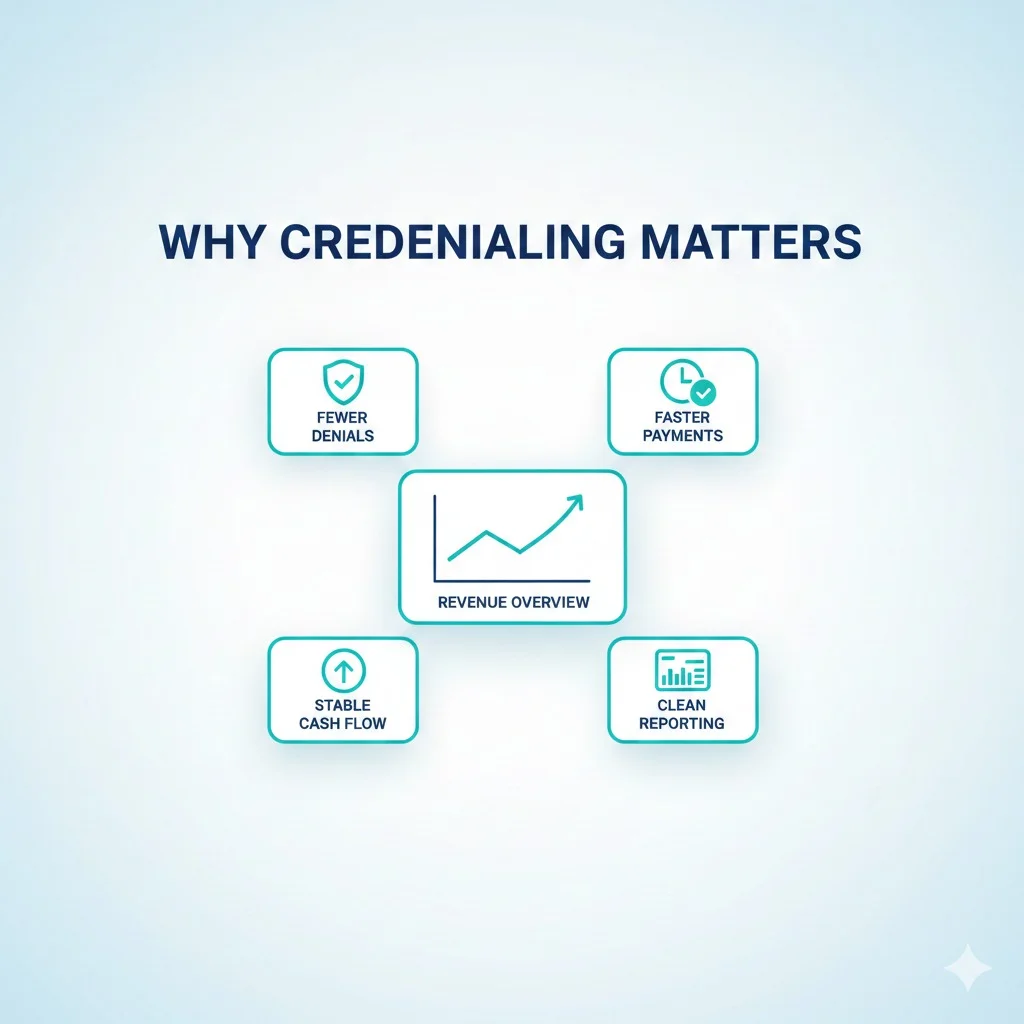
Table of Contents

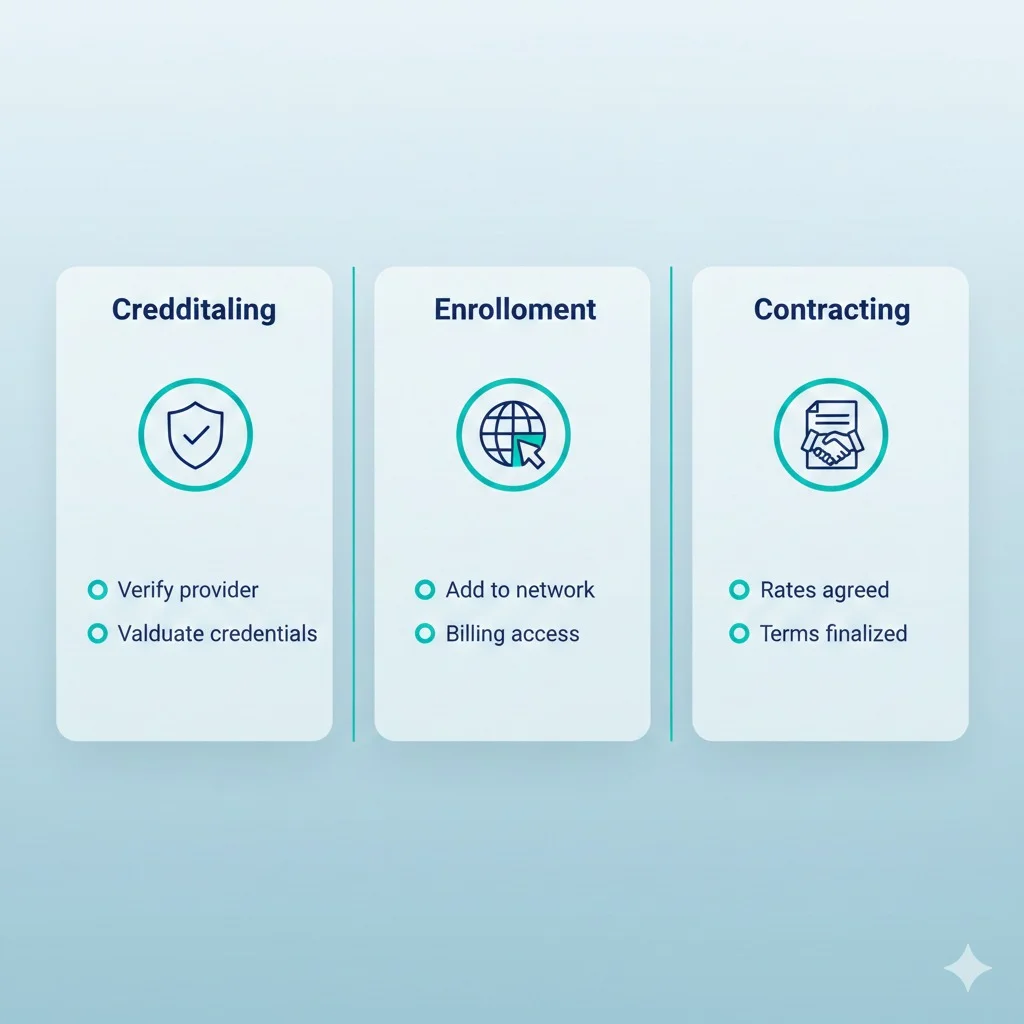
What “doula insurance credentialing” means in California

When doulas say “credentialing,” they usually mean a few different steps bundled together:
Medi Cal enrollment (DHCS)
This is how you become an enrolled Medi-Cal doula provider through DHCS using the PAVE portal. DHCS publishes an enrollment checklist and application resources specifically for doulas.
Managed care plan contracting (Medi Cal plans)
Many Medi-Cal members are assigned to managed care plans. After DHCS approval, plans may offer you a contracting packet and require additional onboarding steps. Anthem’s California doula provider guide describes this flow clearly: DHCS approval first, then plan contracting.
Commercial insurance participation
Some commercial plans use CAQH to streamline provider credentialing intake. For example, Blue Shield of California references CAQH as part of its network participation process. Bottom line: Enrollment gets you recognized by DHCS. Contracting and credentialing get you paid by a specific plan.

Why credentialing matters for revenue, not just compliance

Why Credentialing Matters A doula can do everything right clinically and still struggle financially if insurance work is not set up cleanly. Credentialing impacts:
  1. How fast you can start billing after you begin serving Medi-Cal clients
  2. Whether claims pay or deny for technical reasons
  3. Whether you can scale beyond word of mouth and cash pay
Medi-Cal also has defined covered doula services and billing rules, including prenatal and postpartum visits, labor and delivery support, and certain extended services. When credentialing is aligned with those rules, payment becomes far more consistent. 

California Medi Cal doula credentialing requirements

DHCS provides a Medi Cal Doula Provider Enrollment Checklist that lays out two main pathways and required documentation.
Eligibility pathways DHCS looks for
Training pathway
You will typically need to show training completion and attest to experience. The DHCS checklist references training areas and an attestation of support at a minimum of three births.
Experience pathway
The DHCS checklist also describes an experience pathway that includes years of active doula work and supporting letters. It notes requirements such as letters being within a set time window and certain letter content expectations.
Practical document checklist for doulas in California
Below is a business owner friendly version of what usually needs to be in place before you start the PAVE application.
Category What you typically need Why it matters
Identity and provider profile NPI, basic profile details, contact info Required for enrollment and future contracting
Proof of qualification Training certificates or experience documentation and letters DHCS uses these to validate pathway requirements
Business setup Business license or permit if required in your city, and related items DHCS checklist flags local business requirements as a common need
Insurance and compliance items Workers compensation insurance only if state law requires it for your business Not always required, but must be provided when applicable
DHCS also maintains a doula enrollment FAQ and an application information page that both point doulas to PAVE and the checklist before starting.

Medi Cal enrollment timeline in California

Timelines vary based on document readiness and the volume DHCS is handling, but most delays are predictable.
Stage Typical range What can slow it down
Pre application setup 1 to 3 weeks Waiting on NPI, letters, training certificates, business license
DHCS PAVE application submission to decision 60 to 120 days Missing attachments, mismatched information, incomplete attestations
Managed care plan contracting after DHCS approval 30 to 90 days per plan Plan specific packet, insurance proofs, roster requirements
If you want to shorten timelines, the best strategy is simple: submit a complete package once, instead of submitting fast and then spending months responding to requests for missing items.

Billing basics that affect credentialing decisions

Credentialing and billing are tied together. If your enrollment is correct but your billing setup is wrong, you still will not get paid.
Covered services and service limits matter
The Medi-Cal doula services manual describes covered service categories and limits, including visit counts and timing rules.
Codes and documentation expectations
DHCS publishes billing code resources for doulas, and the provider manual outlines the structure of services and billing limitations such as once per pregnancy limits for certain support services.  You do not need to memorize every code to credential correctly, but you do need your enrollment and contracting to reflect how you will actually deliver services, including service area, structure, and business entity type.

Credentialing with Medi-Cal managed care plans in California

After DHCS approval, many doulas pursue managed care contracting. DHCS also provides a managed care plan FAQ for doulas to clarify expectations.
What plans often ask for after DHCS approval
Anthem’s California doula provider guide is a helpful example of how a plan describes contracting steps and what may be included in a contracting packet. Common packet items can include:
  1. Provider agreement and scope of work
  2. W-9 and ownership disclosures
  3. Proof of insurance where applicable
  4. Background check attestation or related compliance documents

Commercial insurance credentialing for doulas

Commercial participation is more variable than Medi Cal. Some plans do not credential doulas broadly, while others may credential doulas through specific programs, subcontracting structures, or partner organizations.
CAQH often shows up in commercial credentialing
Some California plans reference CAQH participation as a preferred credentialing intake method. Blue Shield of California specifically points providers toward CAQH for credentialing intake. 
A practical approach for doulas
  1. Start with Medi-Cal enrollment and Medi-Cal managed care plans if you serve Medi-Cal families
  2. Ask commercial plans directly whether they credential doulas in your region or only through specific groups
  3. Maintain a complete CAQH profile if a plan requires it, so you are not rebuilding your application every time

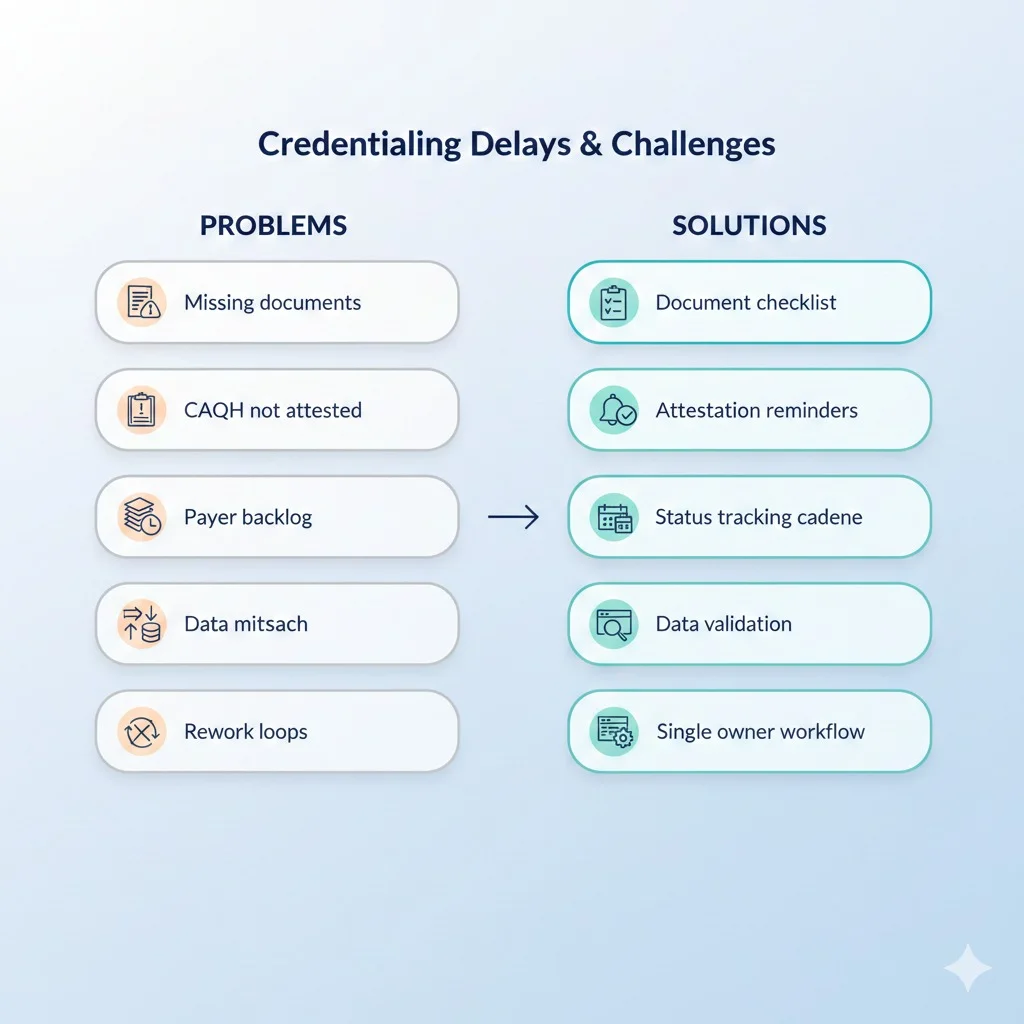
Common challenges that delay doula credentialing

Credentialing
Challenge 1: Confusing enrollment vs credentialing vs contracting
Enrollment is DHCS. Contracting is plan specific. Many doulas lose months by assuming DHCS approval automatically activates payment across all managed care plans.
Challenge 2: Missing or weak supporting letters under the experience pathway
DHCS checklist requirements for letters are specific, including who can write them and what they must include.
Challenge 3: Business setup gaps
DHCS checklist highlights that additional documentation may be required based on city, county, or state requirements to operate a business in California. 
Challenge 4: Billing readiness is not aligned with credentialing
Even after approval, claims can be denied if your profile, service location expectations, or documentation workflows are not set up to match Medi-Cal rules.  enrollment vs credentialing vs contracting

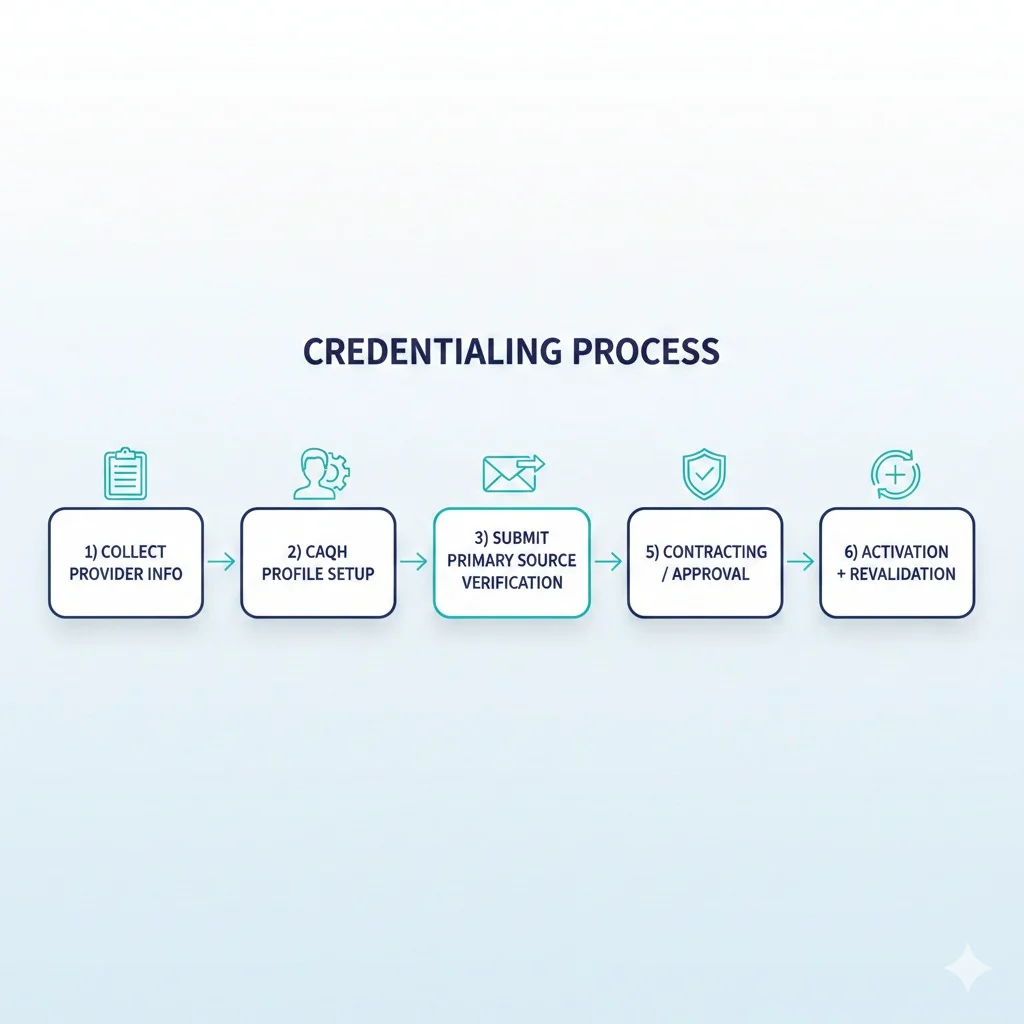
A simple credentialing workflow we use at Claim N Billing

At Claim N Billing, we treat credentialing like the foundation of your revenue cycle. If the foundation is messy, everything after it becomes stressful: delayed payments, constant follow ups, and families waiting while you chase paperwork. Here is how we run it:
Step 1: Pre-credentialing audit
We confirm:
  1. Your business structure and service area in California
  2. Which pathway you qualify under
  3. Which documents are missing before you ever log into PAVE
Step 2: DHCS PAVE enrollment done cleanly
We build a complete submission aligned with DHCS guidance and the doula enrollment checklist so you are not stuck in back and forth requests.
Step 3: Managed care plan contracting support
After DHCS approval, we help you pursue plan contracting with the right packet, the right expectations, and the right follow through.
Step 4: Billing readiness
We align your billing workflow to Medi-Cal doula rules so once you are approved, you can actually get paid. Credentialing Process

Conversion section: Get help with doula insurance credentialing in California

If you are trying to serve Medi-Cal families, you should not have to spend your nights figuring out DHCS portals, letters, and plan packets. You have clients to support and a business to run. Claim N Billing helps doulas and small practices in California with doula insurance credentialing, including:
  1. Medi-Cal doula enrollment through PAVE
  2. Document readiness and pathway guidance
  3. Managed care plan contracting support
  4. Billing workflow alignment so approvals turn into payments
If you want, share what county you serve and whether you are applying as an individual or business entity, and we will map the cleanest credentialing path based on DHCS requirements and how plans typically onboard doulas.

FAQs

How long does doula credentialing take in California?

A clean Medi-Cal enrollment often takes 60 to 120 days, and managed care contracting can add 30 to 90 days per plan after DHCS approval. The biggest time saver is submitting a complete package using the DHCS checklist before you apply.

Do I need to enroll with DHCS before joining a Medi-Cal managed care plan?

In most cases, yes. Plan materials like Anthem’s guide describe DHCS approval as a prerequisite before contracting, and DHCS also states doulas must enroll through PAVE.

What documents are commonly required for the experience pathway?

DHCS checklist describes active doula experience and supporting letters or testimonials with specific rules about who can write them and what they must include.

Do I need workers compensation insurance to enroll as a Medi Cal doula?

Not always. DHCS checklist indicates workers compensation insurance is required only for some businesses based on state law, and if you are not otherwise required, you do not have to obtain it just to enroll.

What services can doulas bill to Medi Cal in California?

The Medi-Cal doula services manual outlines covered services such as an initial visit, additional prenatal or postpartum visits, labor and delivery support, and certain extended postpartum services with specific limits and billing rules. 

Can I use CAQH for doula commercial credentialing?

Some commercial plans use CAQH as part of credentialing intake. For example, Blue Shield of California references CAQH as a streamlined credentialing method. Whether doulas are credentialed depends on the plan and program, so CAQH helps most when a plan already accepts doula participation.

What is the most common reason applications get delayed?

Missing or inconsistent documentation. DHCS provides a checklist specifically so doulas can gather requirements before submitting through PAVE, and using it tends to reduce back and forth requests.

Do you help doulas who are forming a group practice?

Yes. Group structures add steps, because plans may require entity level contracting, rosters, and additional NPIs depending on structure. Anthem’s guide notes organization level NPI expectations in contracting contexts, and DHCS requirements still apply for enrollment.